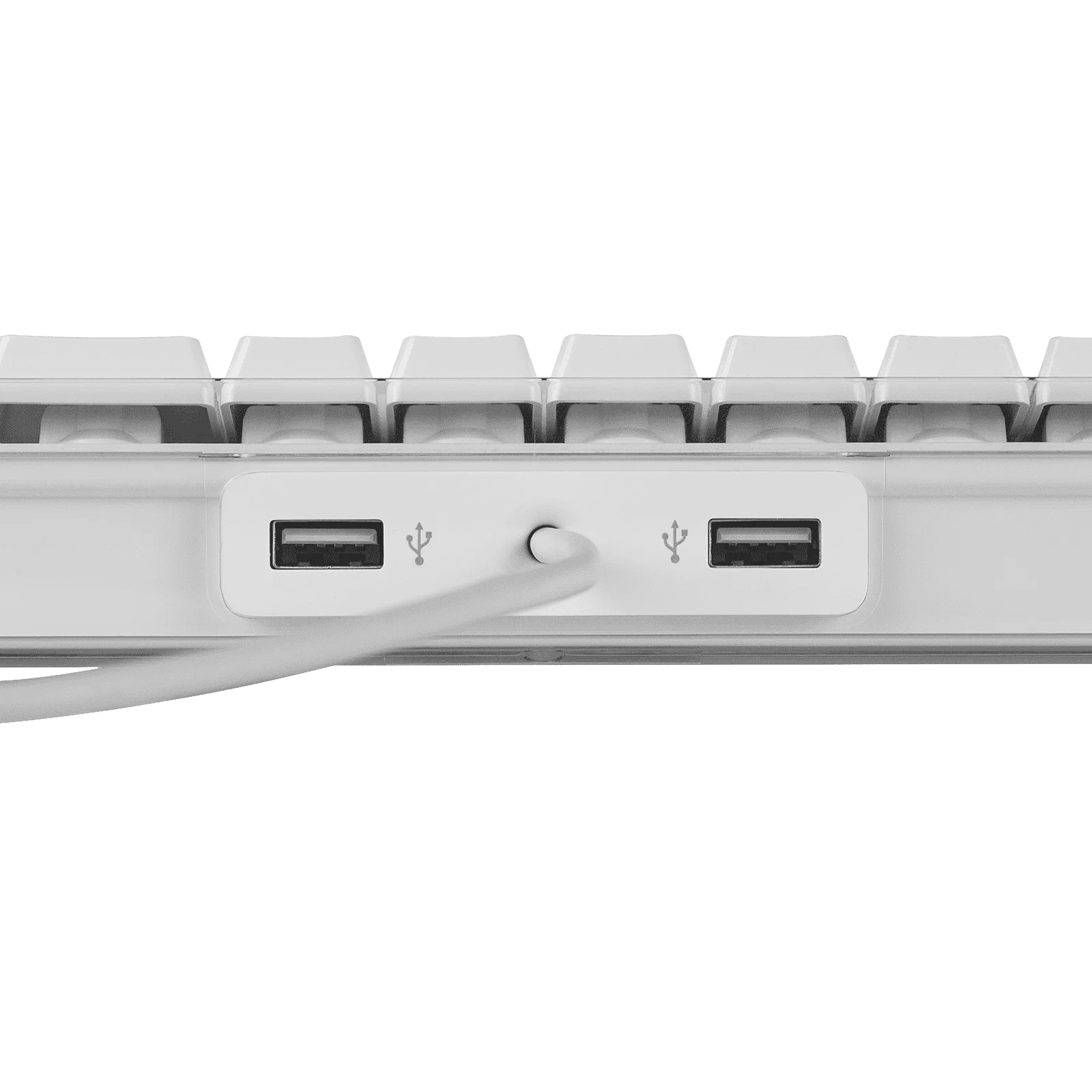
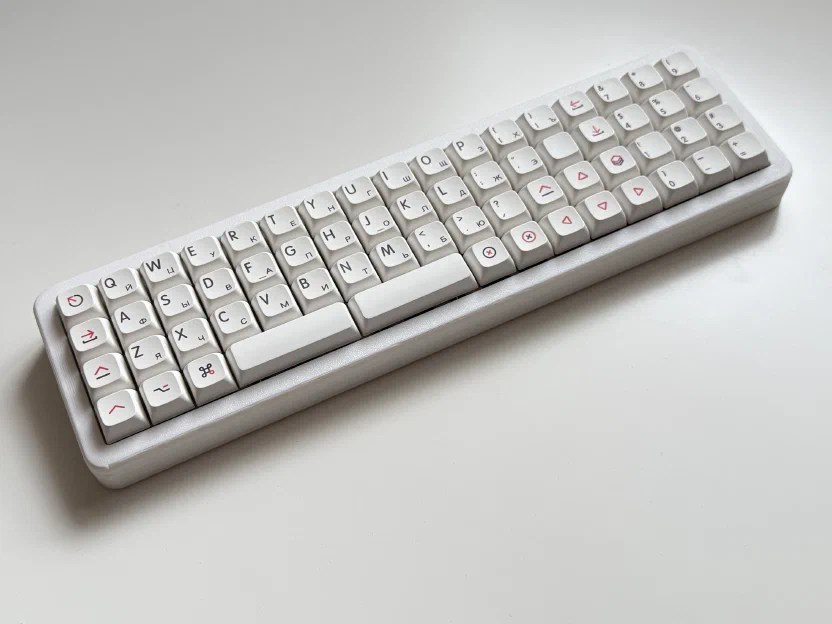
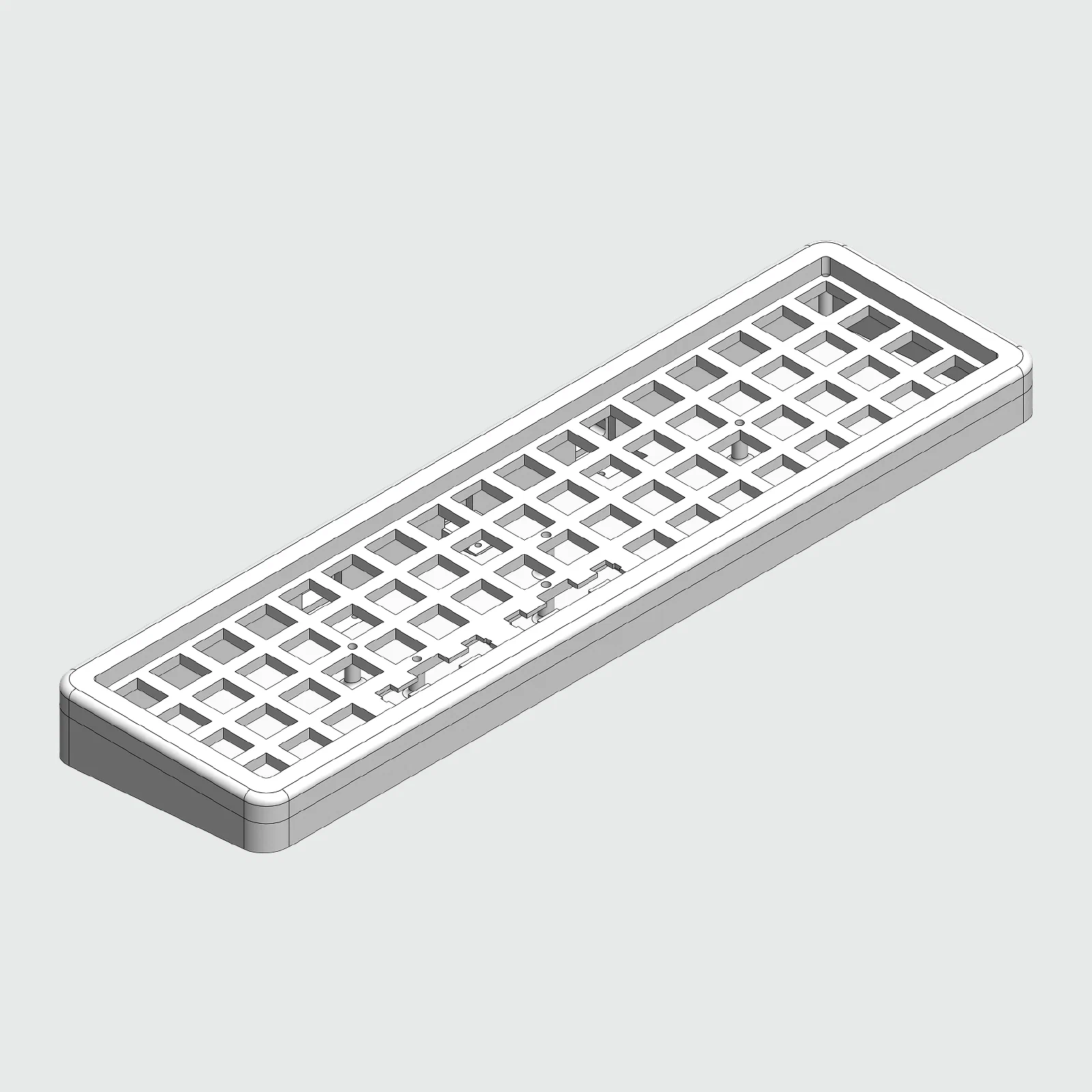
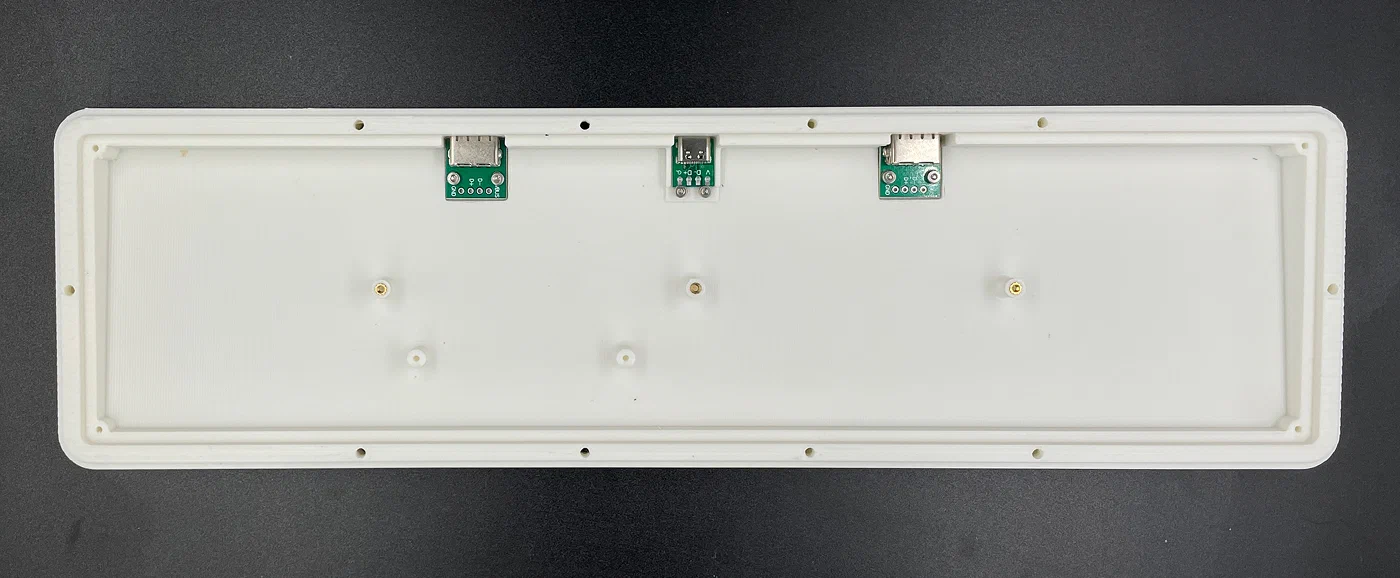
I used the Planck as a base, but added more keys per row to fit the full Cyrillic alphabet, plus a numpad. In this new iteration, I gave the case a 5° tilt and added two extra USB ports, like the old Apple keyboards.
Case
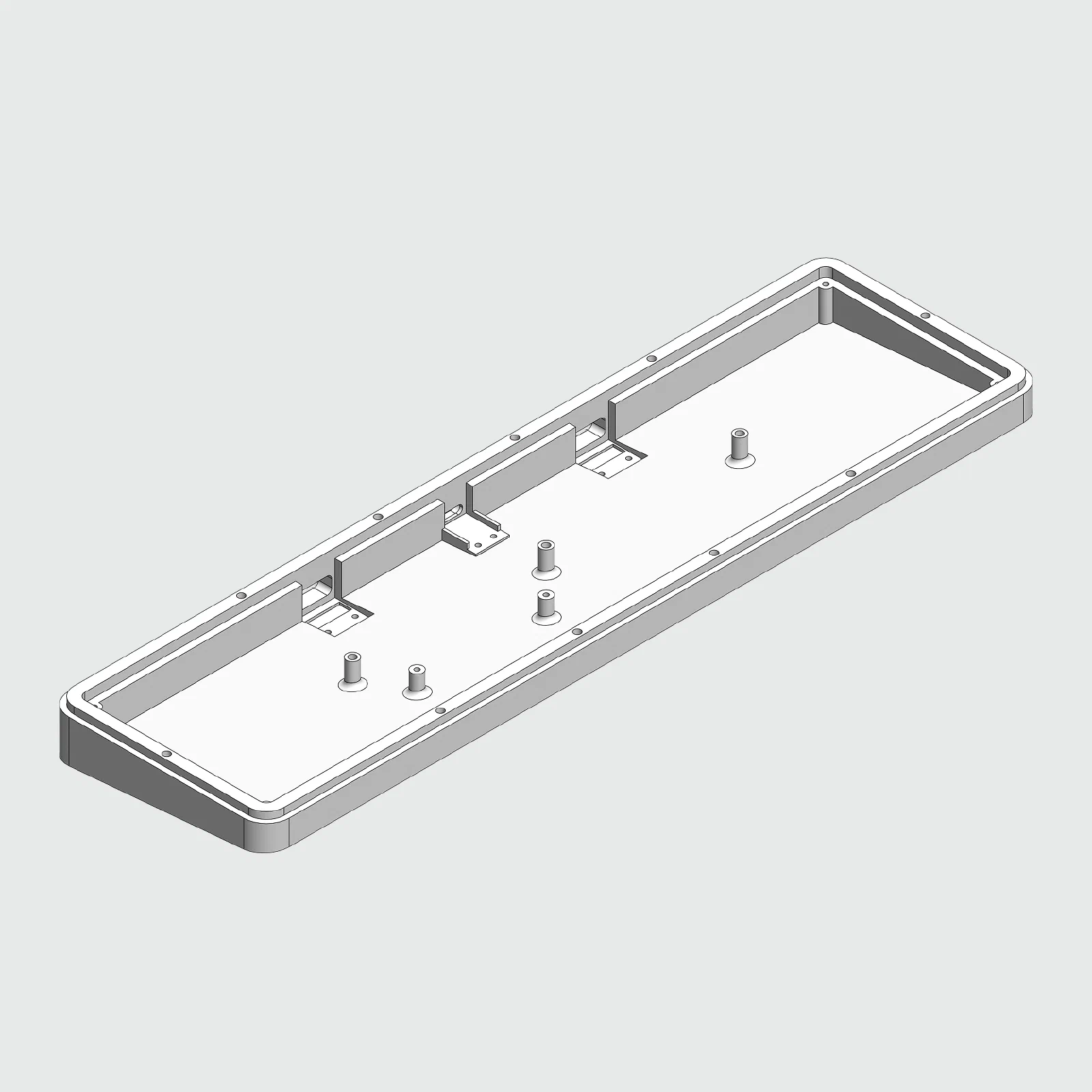
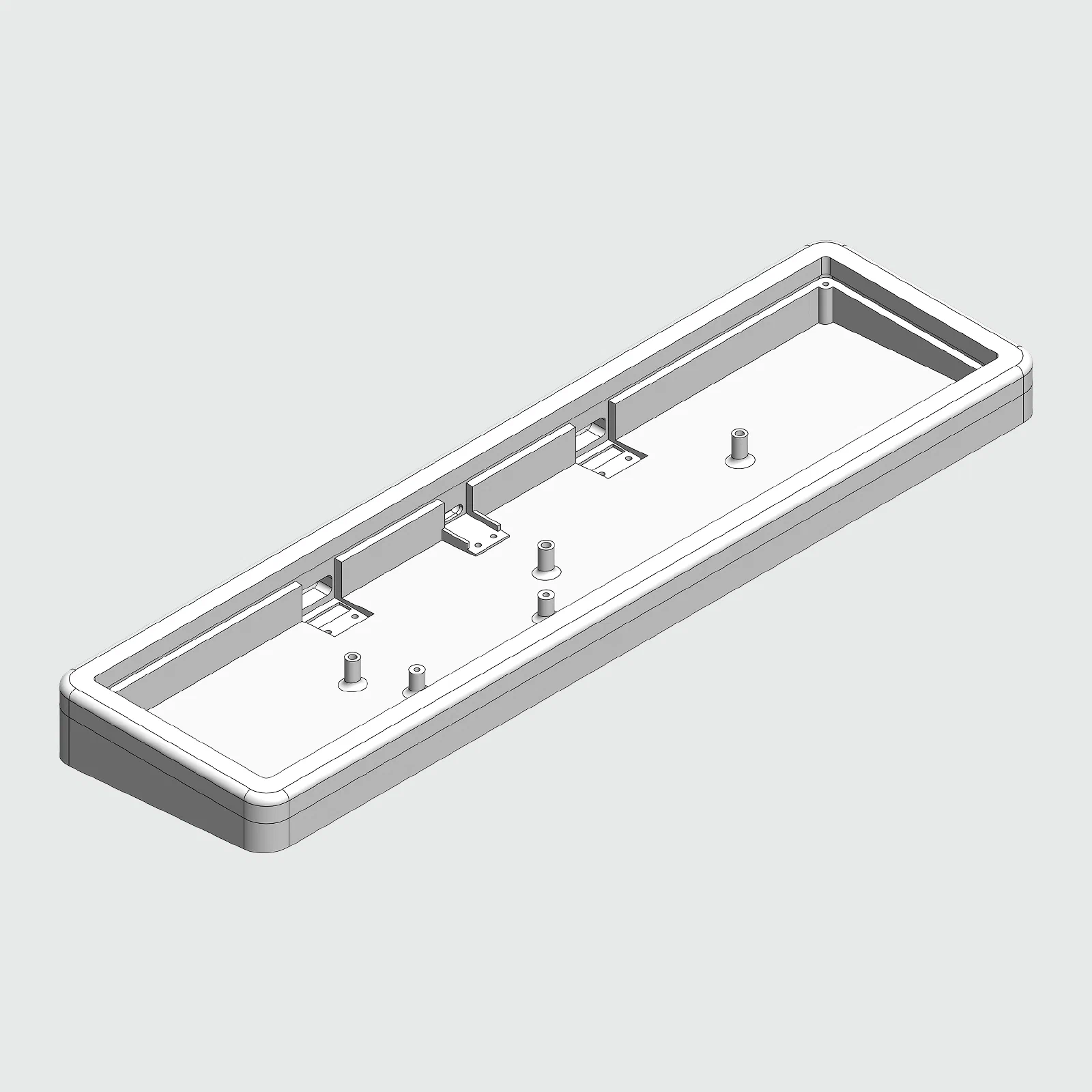
You can grab the print files from Printables, including the .STEP file.
Bill of materials
| Part | Count |
|---|---|
| Pi Pico (USB-C clone) | 1 |
| 3D printed case | 1 |
| MX switches (Kailh Red V2) | 64 |
| Keycaps | 64 |
| 1N4148 diodes | 64 |
| 3u plate mount stabilizer | 2 |
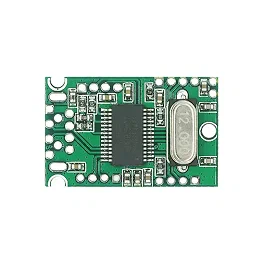
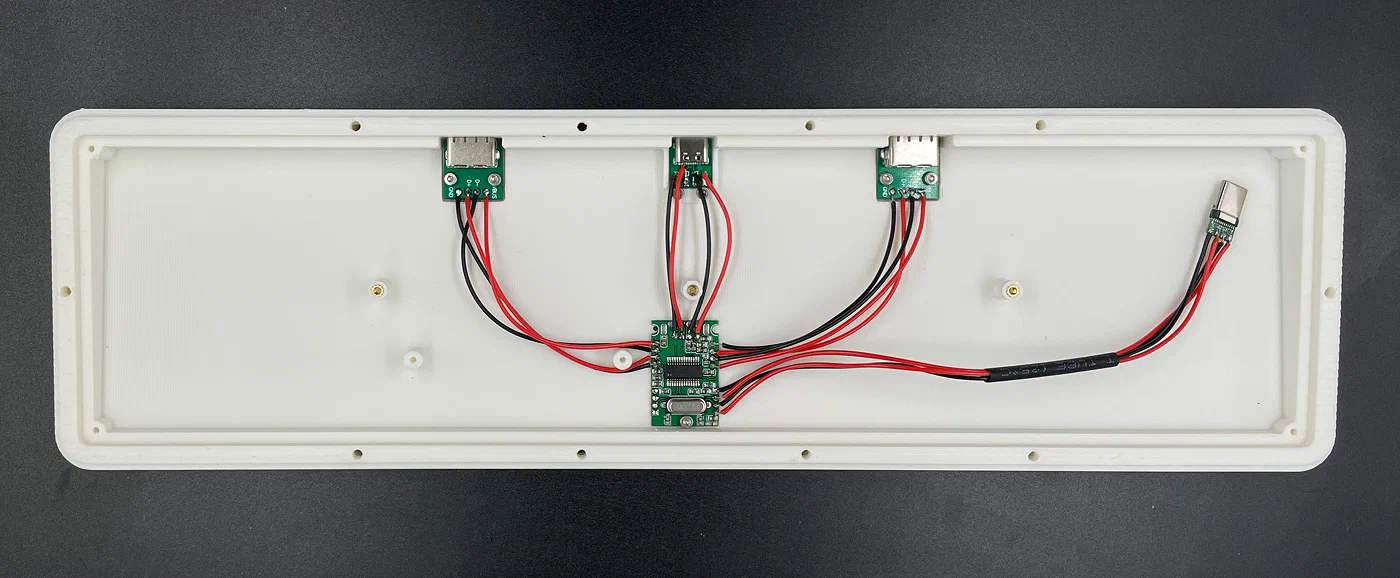
| USB Hub Module FE11SX4 (pic) | 1 |
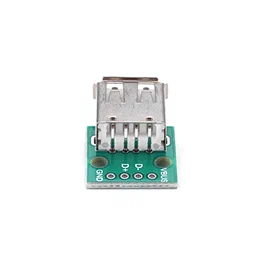
| USB-A female connector (pic) | 2 |
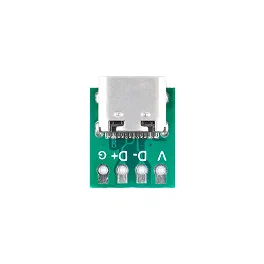
| USB-C female connector (pic) | 1 |
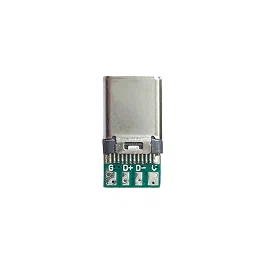
| USB-C male connector (pic) | 1 |
| M2 screws | 20−24 |
| M2 heat set inserts (OD 3.2mm) | 3 |
| Adhesive Bumper Pads (15mm) | 4 |
| Wire |
Build Log
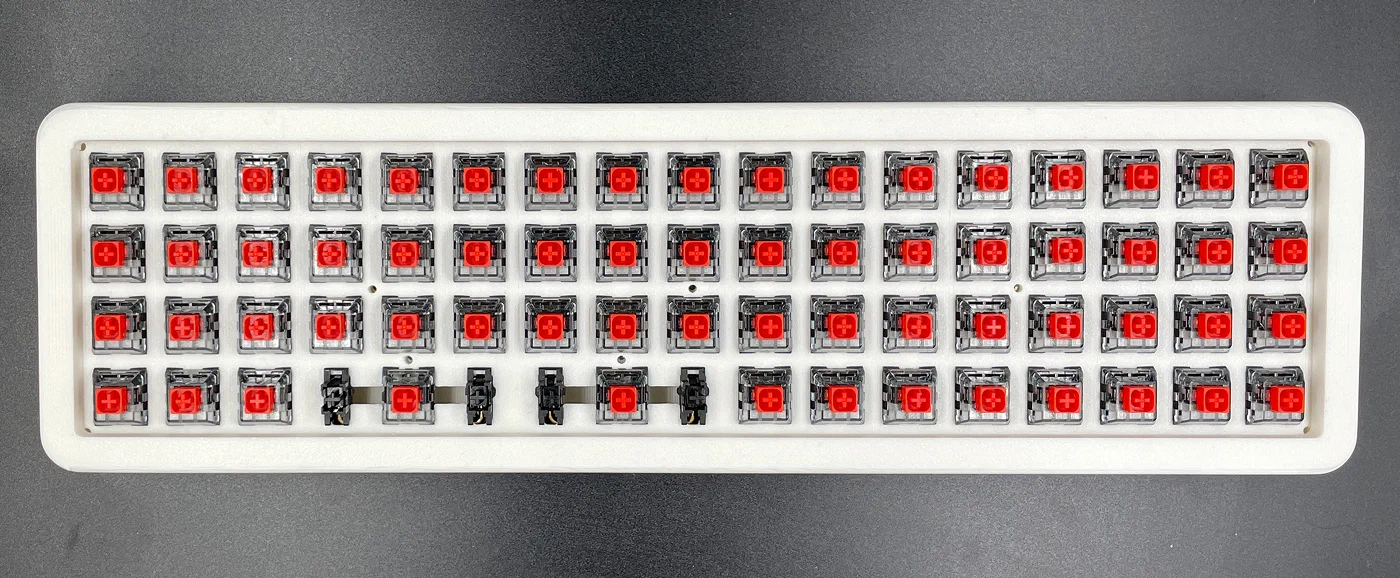
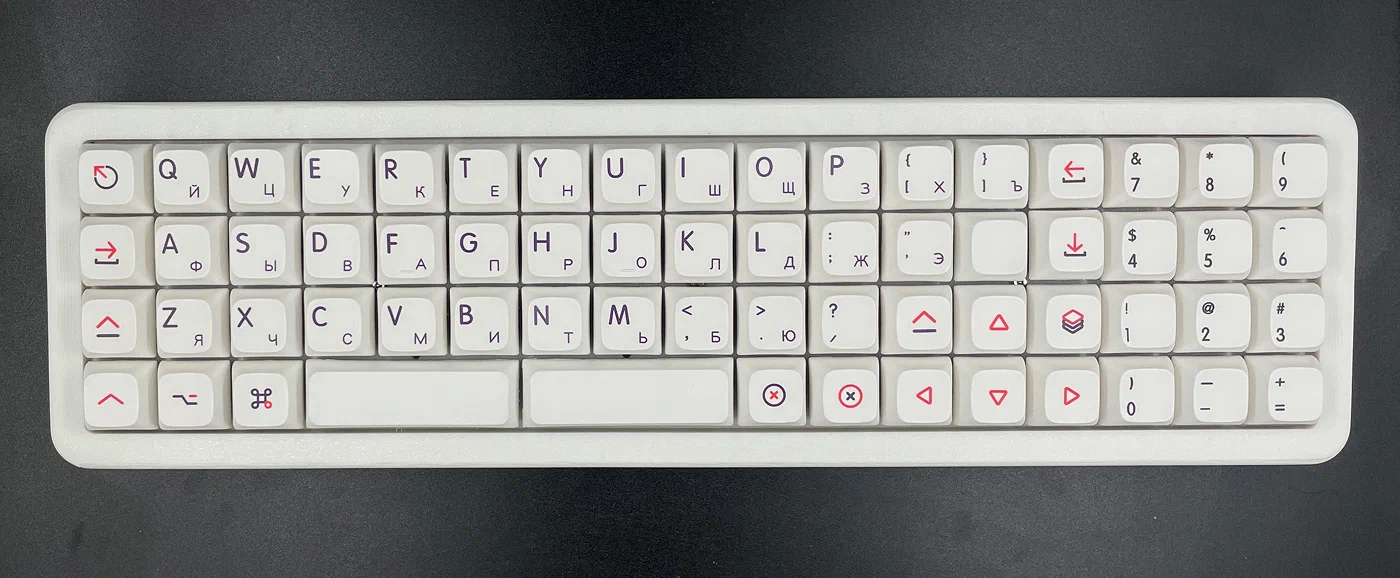
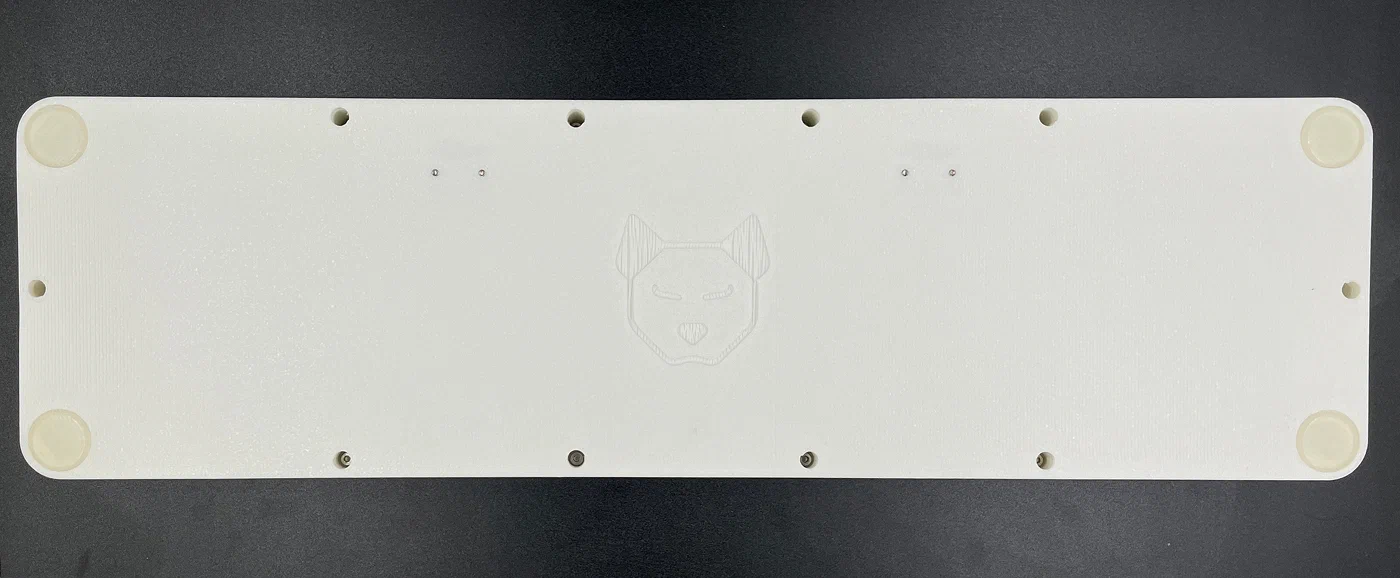
Firmware
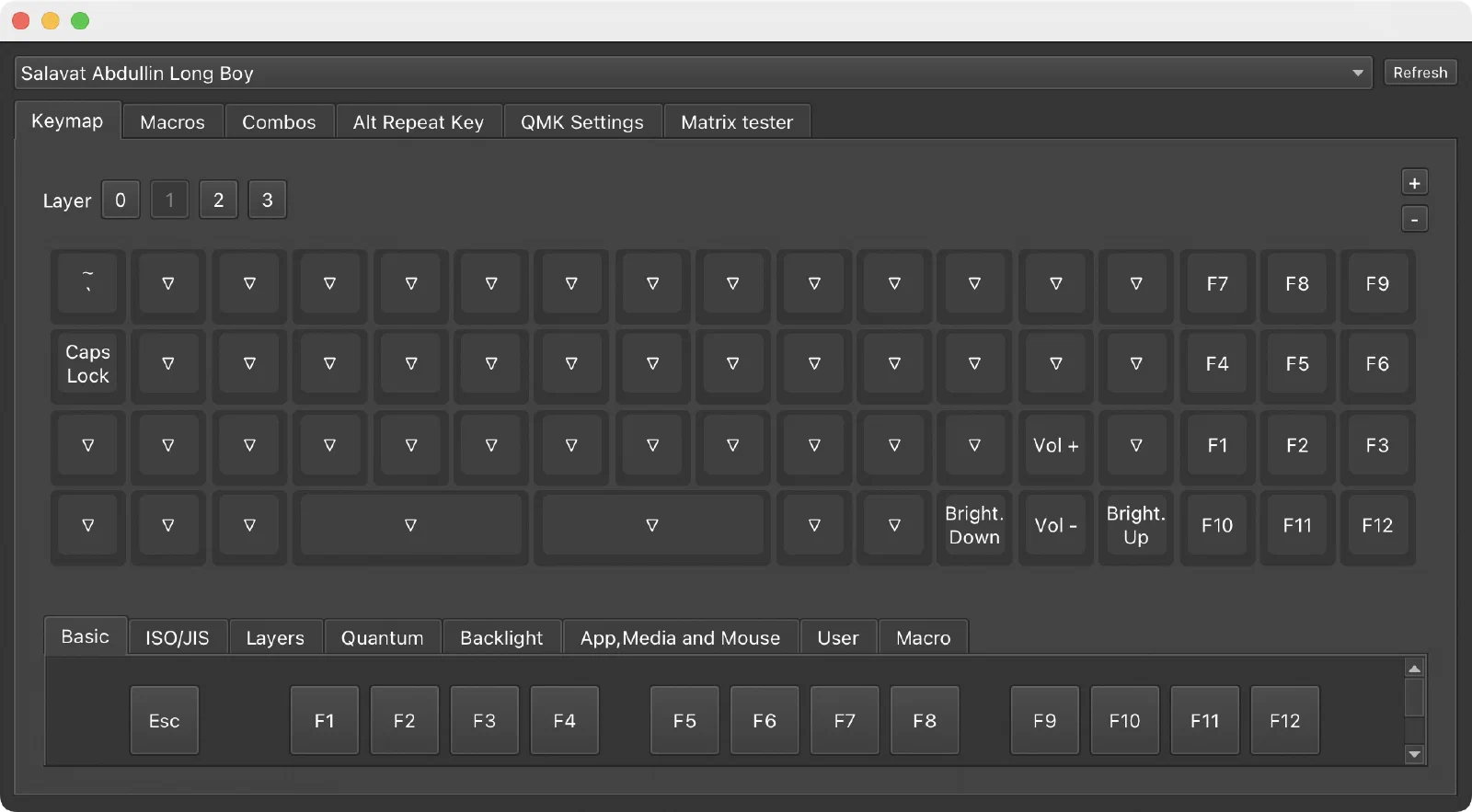
I’m using QMK for the firmware. Repo’s on GitHub. Pre-compiled firmware.
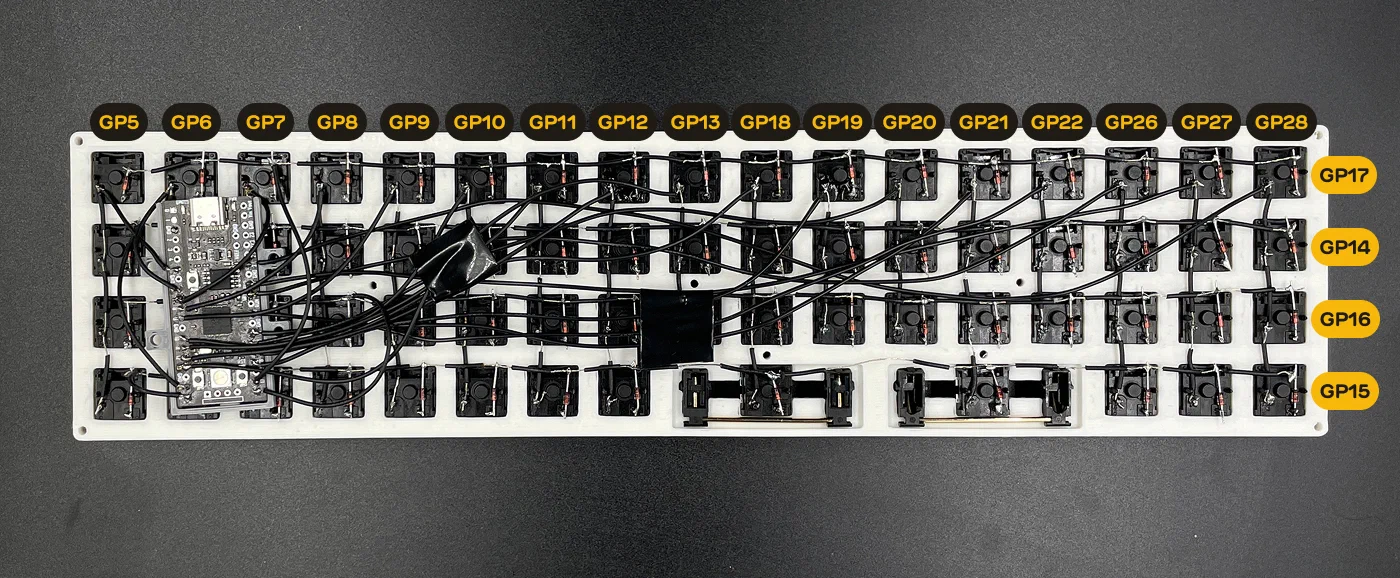
Pin direction:
"matrix_pins": {
    "cols": ["GP28", "GP27", "GP26", "GP22", "GP21", "GP20", "GP19", "GP18", "GP13", "GP12", "GP11", "GP10", "GP9", "GP8", "GP7", "GP6", "GP5"],
    "rows": ["GP17", "GP14", "GP16", "GP15"]
}
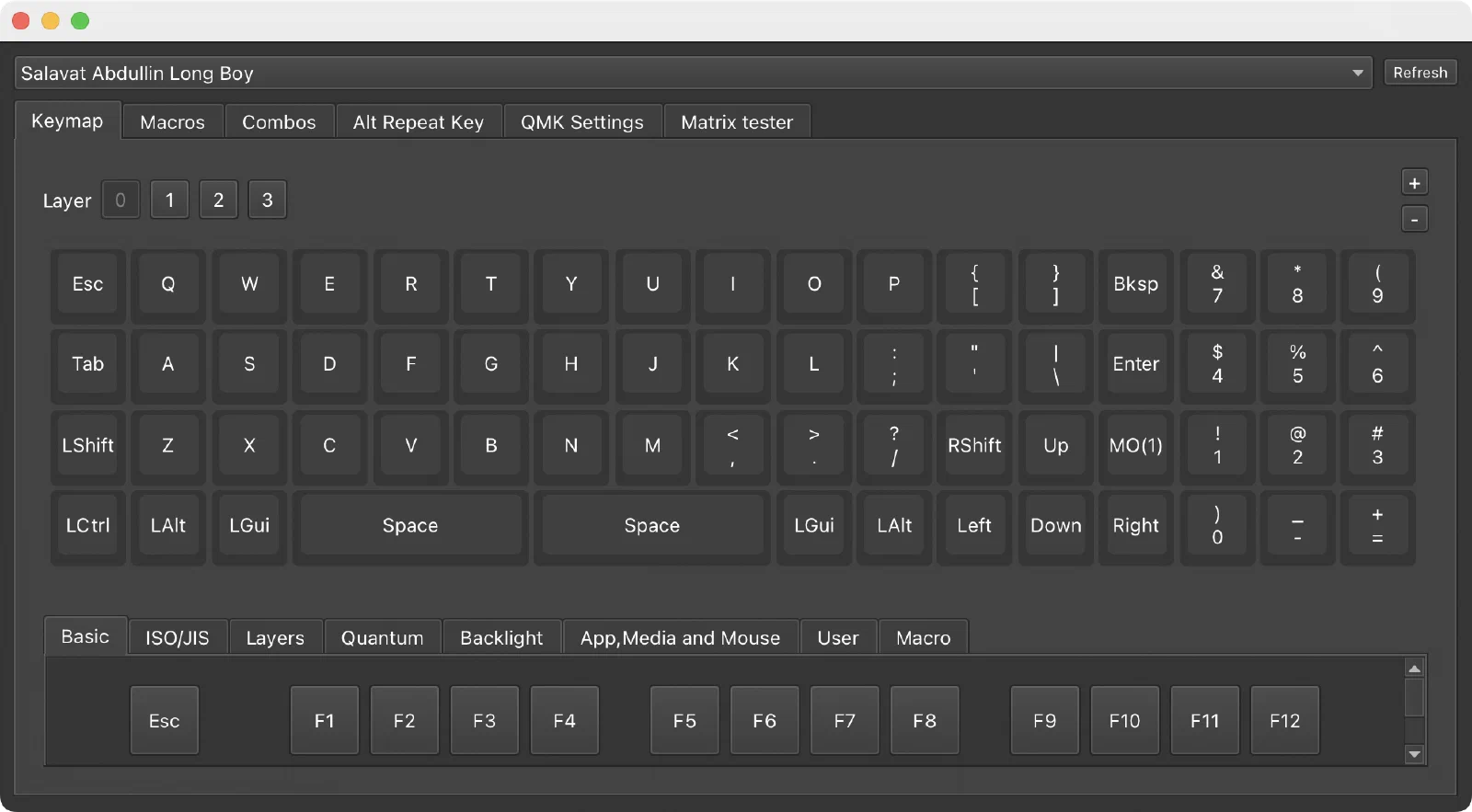
Vial
Resources
- Case print files on Printables
- Repo: GitHub
- Pre-compiled firmware